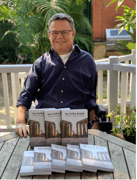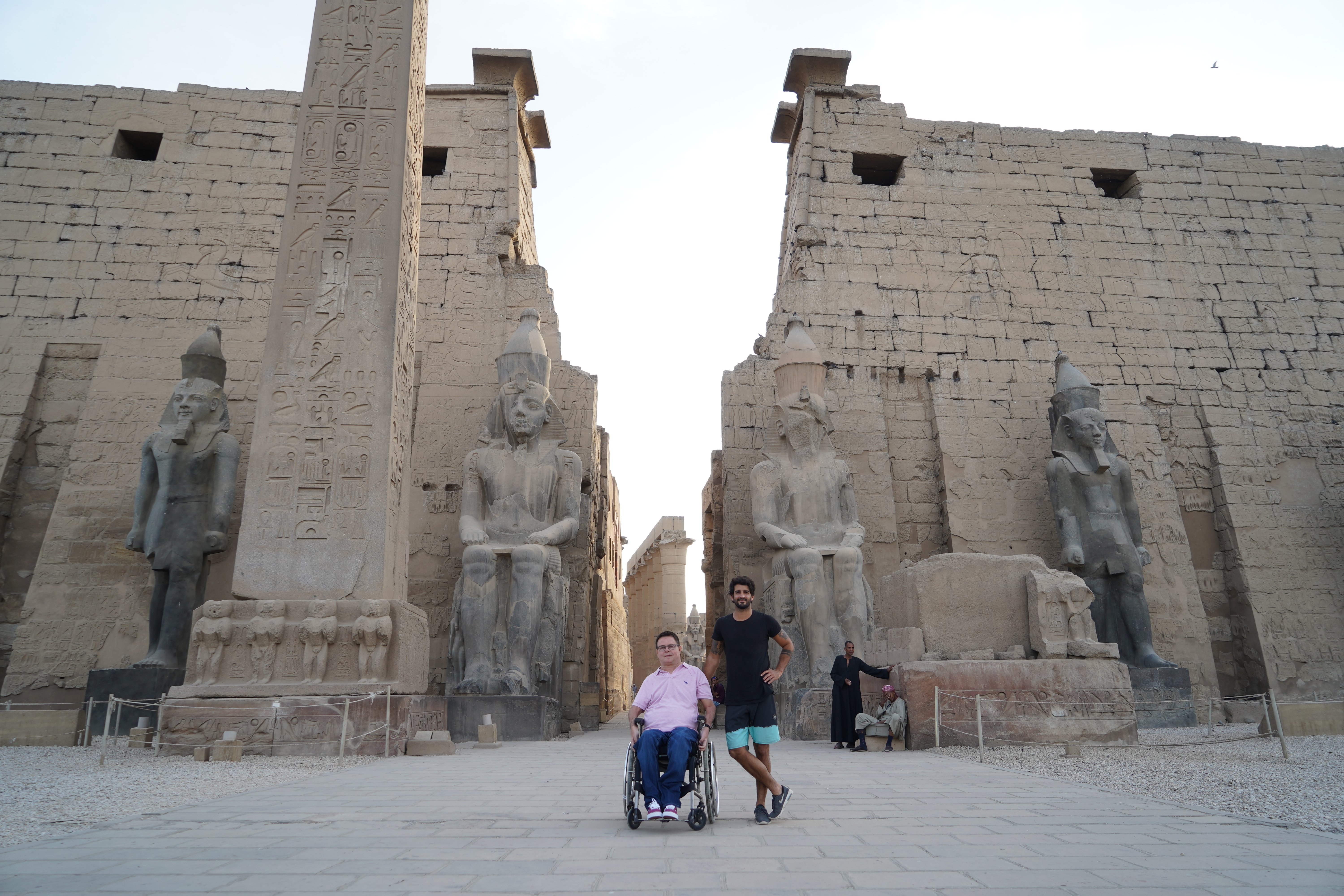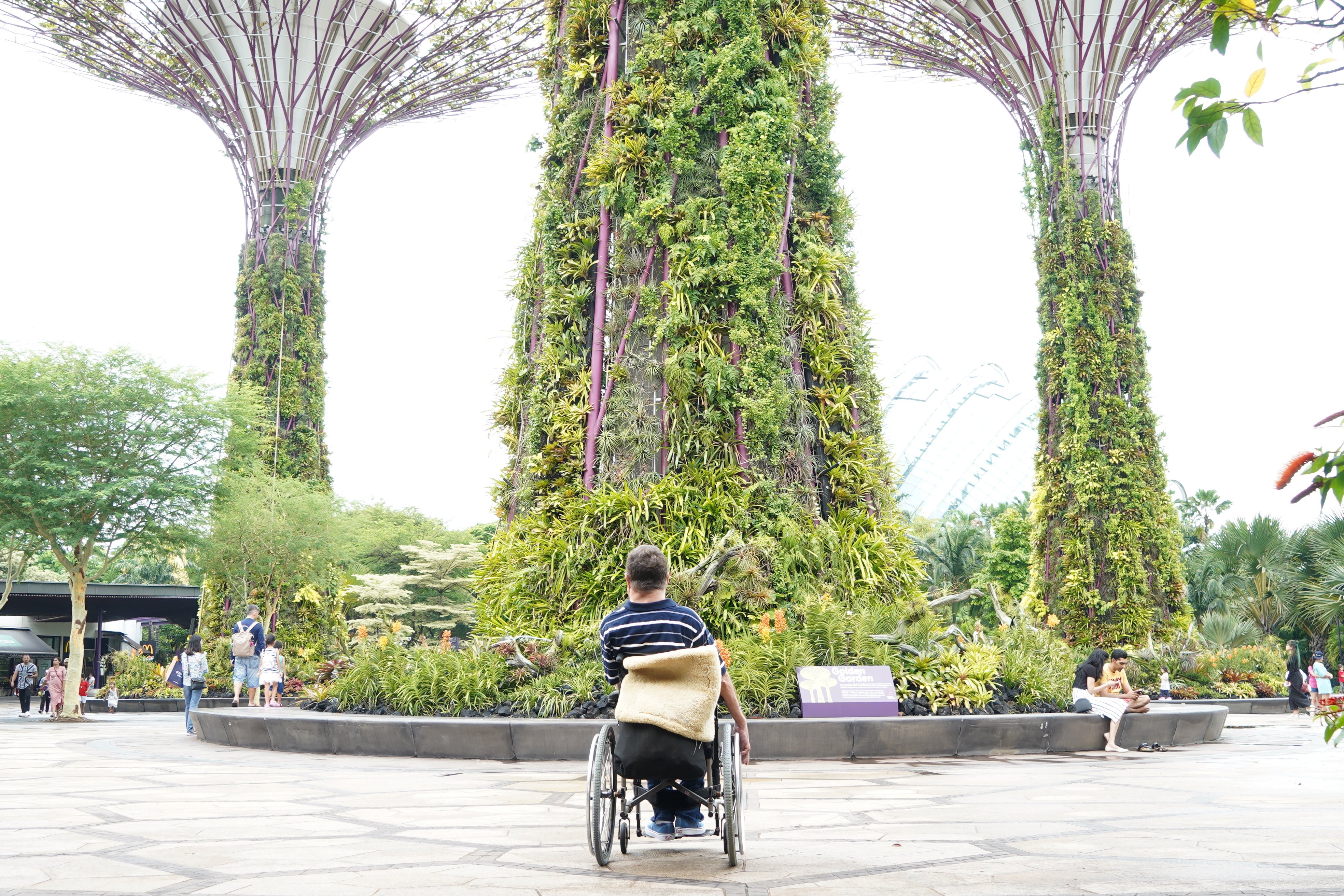


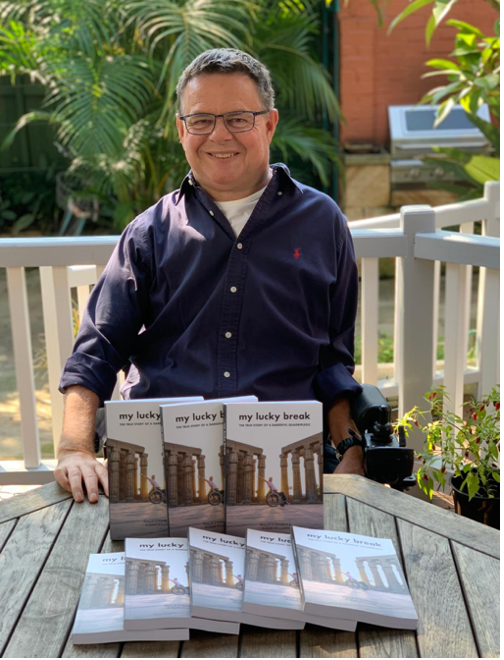
About the Author: Philip Stephens is a Sydney-based traveller, author, and manual wheelchair user who has explored more than 44 countries. After sustaining a spinal injury at 18 (C4-C5 injury), travel became one of the ways Phil learned how to move through the world on his own terms. His approach is grounded in planning, systems, and real-world experience, shaped by decades of international travel. In his blogs for beyond, Phil shares the practical routines and strategies that make complex journeys possible, from airports and equipment to funding and support on the road. He is also the author of My Lucky Break.
To read more of his stories or purchase the book, visit www.iamphilipstephens.com.
You can also follow him on Instagram - @philiponwheels.
Medication, carers, and personal care while travelling
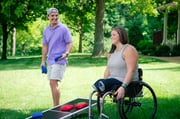
One of the most interesting and exciting parts of travelling is being able to share the journey with someone else. I am lucky to say that I can call all of the carers I have travelled with my friends. For me, every person I take with me starts as a carer, and we become friends over time. This gives me the confidence to choose them as my travelling companions. I believe that having a good companion with similar interests, who really cares about my well-being, is an essential component of a successful and enjoyable holiday.
Once I have found my travelling companion, I always include them in discussions about our destinations. I want us both to enjoy the overall experience, and I have found that making them feel included from the start makes for a much better trip.
Choosing the right companion.
For the last 15 years, my travelling companions have all started as my carers at home. They learn how to look after me on a daily basis before we ever head to the airport. In the very beginning, my companions were good friends who either offered to take me on holiday or whom I asked to join me.
They understood early on that they would have to learn my care needs on a 24-hour basis, despite not being trained nurses. My first companion was actually studying to be a lawyer, and the second was a psychology student. I believe that all a person needs is an open mind and an optimistic, adventurous outlook on life.
Today, I continue to travel with my daily caregivers. The bonus here is that they already know every aspect of my care requirements, and I already know that we enjoy each other's company. However, travelling requires a few extra skills beyond the normal daily routine. For our trips, they are required to learn specific tasks such as catheter changes and flushes, wound dressing, and other functions that are usually handled by professionals at home. We spend time getting these skills sorted before we leave, so we both feel prepared.
Managing medication and supplies.
For a successful trip, I find it is vital to take a very thorough set of medical supplies. I have a specific system for how I pack these to make sure I’m never caught off guard.
In the cabin
I always carry my complete set of medication with me on the plane in my cabin luggage. I do this just in case my checked bags get lost. I know I’ll have enough pills to survive for at least a couple of days while we sort things out. I also make sure I have gloves and toilet paper handy in my carry-on, just in case an accident happens on the flight and needs to be cleaned up.
In the suitcase
I don’t stop at the essentials. I carry a brand-new box or bottle of every drug I’m on, kept in a plastic bag in my suitcase. This ensures that if I’m delayed or happen to end up in a hospital overseas, I have plenty of extra medication. Travelling with copies of your prescriptions and doctors’ details are highly recommended.
The "just in case" stash
This preparation goes as far as carrying spare catheters, leg bags, catheter change packs, and what feels like an unending supply of gloves. I can confidently report that my medical supplies fill at least half of a large suitcase on their own.
Personal care and equipment
Because I suffer from sleep apnoea, I always carry my machine with me. Over the years, I have found that you can't always rely on the room layout of a hotel. On some occasions, the power points are on the completely opposite side of the room from the bed. For this reason, I have found it necessary to always carry a sturdy extension cord along with my universal adaptors. It is a small addition to the bag that makes a massive difference to my comfort at night.
I think that being over-prepared is the only way to truly relax. When I know my medication is secure, my supplies are doubled, and my companion is fully trained and happy to be there, I can stop worrying about my care and start enjoying the destination.
Check out Philip's video on his travels!
Disclaimer
This article reflects the personal experiences and opinions of the author. Travel experiences, accessibility, and outcomes can vary widely depending on individual needs, equipment, destinations, and service providers. Information shared is intended as general guidance only and should not be considered professional, medical, or legal advice. Always check current accessibility information and make decisions based on what works best for you.
Stay connected
Have you got a story, tip, or question of your own? We’d love to hear from you! Send it through here
Would you like more user-first tips, lived experience stories, and helpful resources sent straight to your inbox? Subscribe below. Useful information, created with and for wheelchair users.