
In sitting, an apparent leg length discrepancy (LLD) occurs when the legs appear to be different lengths, despite the underlying bone lengths being equal. This presentation is extremely common in wheelchair users and most often results from pelvic position, posture, muscle tone, or seating setup - rather than a true difference in limb length.
A critical first step is determining whether the individual presents with a true (structural) leg length discrepancy or an apparent discrepancy caused by positioning. This distinction matters, as each has very different clinical implications and seating solutions. Identification should always occur through a comprehensive MAT evaluation and accurate measurement.
|
|
|
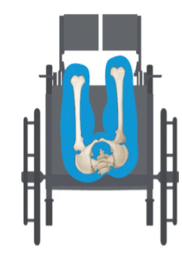
Image A – An Apparent LLD where the left leg Appears shorter due to the pelvis rotating to the left. |
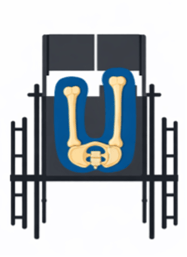
Image B – An actual structural LLD where the left femur bone is shorter than the right -note the Pelvis is level, the femur bones are not same. |
Structural (True) Leg Length Discrepancy
True or structural LLD is seen in individuals with congenital conditions affecting growth or limb length or following surgical interventions such as above‑knee amputation (AKA) or femoral shortening procedures (e.g. VDRO – Proximal Femoral Varus Derotation Osteotomy).
For these users, seating should be based on the longer femur length, with appropriate customisation on the shorter side. This approach ensures adequate bilateral femoral support while avoiding the introduction of asymmetry at the pelvis.
Apparent (Functional) Leg Length Discrepancy
The most common leg length discrepancies encountered in wheelchair seating are apparent, not structural. In these cases, the limb lengths are equal, but positioning makes one leg appear shorter. These discrepancies are often referred to as apparent or functional LLD
Apparent LLD can arise from multiple interacting factors. The table below outlines the most common contributors seen in clinical seating practice.
Common Causation of Apparent LLD in Sitting
|
Category |
Cause |
Description / Mechanism |
Typical Presentation |
Key Clinical Notes |
|
Pelvic Alignment
|
Pelvic Obliquity |
One side of the pelvis sits higher or lower, often driven by scoliosis, hip contractures, muscle imbalance, or long-term asymmetrical sitting |
The high pelvis side usually appears as the shorter leg |
Very common in long-term wheelchair users; may be flexible or fixed |
|
Pelvic Rotation |
One side of the pelvis sits forwards, often driven, hip contractures, muscle imbalance, or long-term asymmetrical sitting |
The pelvis rotation is towards the shorter leg (ASIS on shorter side is rear of ASIS on longer side) |
Frequently mis addressed as accommodation of an actual LLD |
|
|
Joint Contractures |
Hip Contractures (flexion, adduction, abduction) |
Alter femoral position and resting leg length in sitting |
Leg appears shorter or longer depending on contracture pattern |
Often associated with CP, SCI, and prolonged sitting |
|
Knee Flexion Contracture |
Prevents full knee extension on footplate |
Apparent shortening of the affected leg |
Common contributor to asymmetric footplate loading |
|
|
Ankle Plantarflexion (Equinus) |
Foot cannot rest flat on footplate |
Leg appears shorter or unstable on footrest |
May cause pressure points or foot slipping |
|
|
Muscle Tone Abnormalities |
Spasticity |
Increased tone pulls limb into flexion, adduction, or internal rotation |
Functional or apparent LLD |
Seen in CP, stroke, MS, SCI |
|
Dystonia |
Variable, involuntary muscle contractions |
Inconsistent or fluctuating leg length appearance |
Position may change throughout the day |
|
|
Flaccidity / Weakness |
Poor limb control and support |
Leg may drift or collapse, altering symmetry |
Often posture-dependent |
|
|
Spinal & Postural Factors |
Scoliosis |
Spinal curvature causes secondary pelvic obliquity |
One leg consistently appears shorter |
May be structural or postural (flexible) |
|
Asymmetrical Sitting Habits |
Leaning to one side, habitual leg positioning, poor trunk control |
Progressive apparent LLD over time |
Often modifiable with improved seating support |
|
|
Seating System–Related |
Uneven Footplate Height |
Footplates set at different heights |
One leg appears shorter in sitting |
Always check before diagnosing LLD |
|
Missing / Swung-Away Footrest |
Lack of support for one leg |
Marked asymmetry |
Common in transfers or fatigue scenarios |
|
|
Asymmetric Cushion Wear or Collapse |
Uneven support under pelvis |
Pelvic obliquity and apparent LLD |
Inspect cushions regularly |
|
|
Incorrect Cushion Orientation |
Cushion placed back-to-front or rotated |
Postural asymmetry |
Easy but frequently missed issue |
|
|
Asymmetric Pelvic Belts or Supports |
Forces pelvis into obliquity |
Apparent leg length difference |
Check belt tension and alignment |
|
|
Soft Tissue & Volume Changes |
Oedema |
Increased volume alters limb positioning |
One leg appears longer or heavier |
May fluctuate during the day |
|
Muscle Wasting / Atrophy |
Reduced limb bulk affects seating contact |
Apparent shortening |
Common post-injury or with disuse |
|
|
Post-Surgical Swelling |
Temporary volume changes |
Transient apparent LLD |
Reassess once swelling resolves |
|
|
Pain Avoidance Postures |
Protective positioning |
Functional asymmetry |
Often resolves with pain management |
 As the table highlights, there are many reasons why a person may present with an apparent LLD. While this can initially feel overwhelming, a systematic MAT evaluation combined with sound clinical reasoning often reveals that the discrepancy resolves once key limitations and asymmetries are addressed.
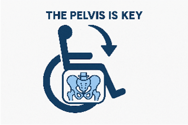
So where do we start? Assessment.
Always assess:
- Pelvis FIRST
- Then hip joints, knees, ankles
- Don’t forget the seating set up. This is crucial as it could be exacerbating the positioning.
Can users with LLD use a standing mobility device?
The short answer is yes. We have seen many successful cases where users with LLD are able to stand and achieve functional, independent goals. However, as with all prescriptions, careful consideration is required.
Key Considerations
- Where does the user spend most of their time?
- Is the LLD structural or apparent?
- Does correcting asymmetry in sitting reduce the discrepancy?
- Can the user transition safely between sitting and standing?
- Where are compromises required, and what is the functional impact?
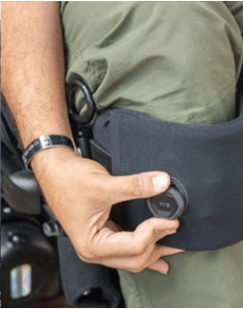 Knee Blocks – these are a critical component of a standing wheeled mobility device. They need to be positioned just below the patella across the superior Tibia / Fibula. The general rule is to have a gap of about 2 fingers between the knee block and the lower leg in sitting.
This spacing helps reduce forward sliding and improves pressure distribution during the transition into standing. When seating someone with an LLD it is crucial that the knee blocks are initially fitted to the users seated position.
A game changer with the new Permobil knee blocks is the ability for individualised fitting enabling the blocks to be infinitely dialed in through the use of BOA technology and through the built-in static adjustment. If the knee blocks are generically set up, there is a risk of asymmetrical slide which can transfer up resulting in increased pelvic and trunk rotation.
If you have a client that presents with LLD and your wanting more support you can reach out to our clinical team at education.au@permobil.com – we are happy to support you through the process or put you in touch with one of our territory sales managers to support you at the trial.

Tracee-Lee Maginnity BHSc (OT)
Clinical Services Specialist
Tracee-Lee Maginnity joined Permobil Australia in July 2019, as a clinical education specialist. Originally from New Zealand, she graduated Auckland University of Technology with a BHSc (Occupational Therapy) in 2003 and has since worked in various roles related to seating and mobility including assessing, prescribing and educating. After gaining experience as an assessor and prescriber at Seating To Go / Wheelchair Solutions in prescribing for both disability and injury, she moved to Australia in 2011 to take on the Senior Occupational Therapist role in a custom moulded seating service. She then worked in clinical consulting and education roles until joining Permobil. Tracee-Lee is passionate about maximising functional outcomes with end users and the importance of education within the industry. She has mentored many therapists interested in AT. Her experience includes working with complex postures to achieve custom outcomes. Tracee-Lee is also an international wheelchair rugby classifier where she enjoys the task analysis of wheelchair propulsion and functional capacity identification of athletes.