

Mobility is more than movement - it’s the foundation for learning, play, and independence. For children with physical disabilities, powered mobility can be life changing. Yet many parents hesitate, worried about safety, readiness, or whether their child is “too young” or if providing a power chair will mean they will not have opportunities to walk. The truth? Research from leaders in the field including but not limited to Lisbeth Nielson, Teresa Plummer, Heather Feldner and Alyson Hendry shows that earlier access to powered mobility supports cognitive, social, and emotional development.
Studies behind devices like the Explorer Mini highlight how self-initiated movement fosters cause-and-effect learning, problem solving, and confidence even in infants as young as 12 months. When children can move independently, they engage with their environment, interact with peers, and develop critical skills that shape their future. A child does not need to be “ready” and know how to drive a power wheelchair, as they are driving to learn, not learning to drive.
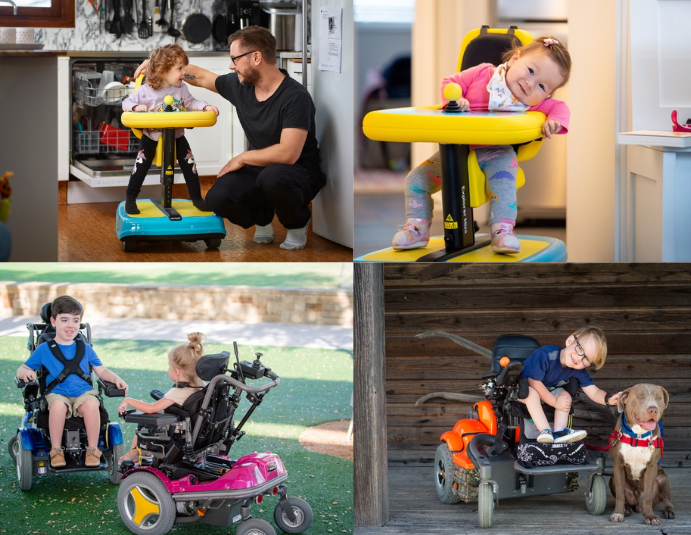
So why wait? Delaying powered mobility can limit opportunities for exploration and participation. Instead of asking, “Is my child ready?” consider, “What abilities might emerge if my child had the chance to move?”. Powered mobility isn’t about replacing walking - it’s about adding possibilities.
Common Barriers - and How to Overcome Them
- Safety Concerns: Modern paediatric power chairs are designed with speed limits, programmable controls, and parental overrides. Training and gradual exposure build confidence for both child and parent. Low torque and other programming can be set up and individualised for each child, their family and their environment. Cut-off switches can also be implemented. There are so many ways to make it safe whilst also maximising opportunities for each child – it takes a team to get it right. Work with your therapist and supplier to form the #1 team.
- Cost and Funding: Early conversations with therapists, funding bodies, and suppliers can help navigate funding pathways. From extended loans, hire options, and funding options, there are plenty of avenues to explore.
- Space and Practicality: Start small in living rooms, play areas, or therapy spaces. Children learn quickly, and as skills grow, so does independence. Give your child developmentally appropriate environments to explore, create mischief, and problem solve things for themselves. Being concerned about damage to your home is also a genuine concern. Whilst bumps and marks can and probably will occur, by having a chair of an appropriate size with correct programming (low torque for indoors), the less likely that significant damage will occur.
- Fear of Judgment and Stigma: One of the biggest barriers families face when considering a power wheelchair is stigma. Stigma can come from society, from peers, and sometimes even from within the family. It often shows up as assumptions such as “a wheelchair means giving up” or “it will make my child look more disabled.” These beliefs can be deeply ingrained, but they are not true. A power wheelchair is not a symbol of limitation. Rather, it is a tool for independence. If you’re worried about how others will perceive your child, remember this: mobility is freedom. When your child can join in play, keep up with friends, and make choices about where they go, they are empowered. That empowerment matters far more than outdated and unfounded stereotypes.
/AU%20-%20Marketing%20Resources%20Microsite/Digital%20Kit/AU%20-%20Assets/Social%20Media%20Posts/Instagram/April%202021/36_Permobil_Koala.jpg?width=1080&height=1080&name=36_Permobil_Koala.jpg)
Why Sooner Is Better
Every day without independent mobility is a missed opportunity for play, learning, and social connection. Powered mobility opens doors - literally and figuratively - allowing children to explore their world on their terms. It’s not about age; it’s about access.
Mobility for most children will not be a straight line. Just like children who can run and walk, children who use power wheelchairs will also move in a squiggly line and in all kinds of directions and movement patterns. Children fall. There will be tears (yours and theirs), but they will get back up and keep going. Mobility is much more than moving from A to B. It is about living, exploring, and growing.
If you’re unsure where to start, talk to your Occupational Therapist or Physiotherapist and wheelchair supplier. Ask about trial options, programming adjustments, and features that grow with your child to help them achieve their goals. Together, we can make mobility a tool for participation, not a barrier.
Stay connected
Have you got a story, tip, or question of your own? We’d love to hear from you! Send it through here
Would you like more user-first tips, lived experience stories, and helpful resources sent straight to your inbox? Join now
Useful information, created with and for wheelchair users.
Disclaimer
The content in this blog is intended to be informative and empowering, sharing general insights and experiences around life with assistive technology. It reflects the views of the author and is not a substitute for personalised medical, clinical, or professional advice.
Everyone’s needs, goals, and health circumstances are unique. If you’re considering any changes to your equipment, routines, or support, we always recommend speaking with your Occupational Therapist, healthcare team, or another qualified professional.

.png?width=180&height=180&name=20250425_2_PWC%20Travel%20(1).png)